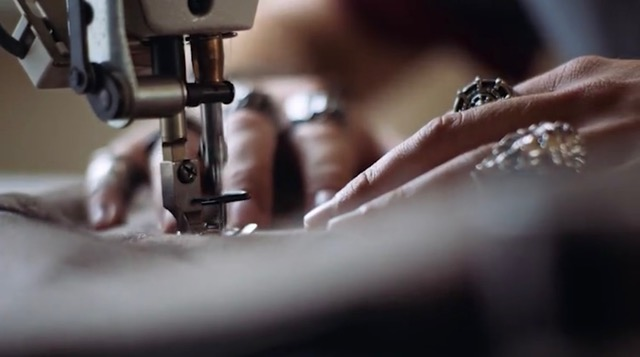
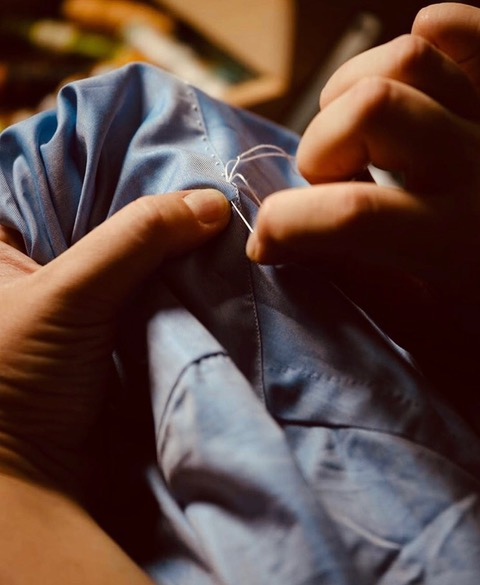
In classical Greece, there was a single word for craftsmanship and art, Techne, proving their profound connection.
This concept persisted well beyond the Renaissance, as evidenced by the work of that great humanist artist, critic, and man of letters, Giorgio Vasari. Only in the 18th century, during the Enlightenment, did art become distinct from technique and craftsmanship.
In England, in the second half of the 19th century, William Morris, a faithful disciple of John Ruskin, worked hard to revitalize craftsmanship. He believed that truth in art coincided with manual labor, and that artistic beauty was a sign of happiness and freedom.
In his view, manual labor until the Renaissance was intelligent and creative, while industrial labor was in danger of losing that quality; instead of being a useful companion to man, it was a burden that everyone would gladly shrug off if only they could. His ideas and the Arts & Crafts movement brought about a renewal of artistic craftsmanship, transforming artists into artisans and artisans into artists, with the aim of freeing them from the dominance of industry.
Today, the Oriali company and collections ground their true meaning and aesthetic pursuit in the craftsmanship, craftsmanship, and exclusivity of their collections. They are the truest expression of humanity and people's creativity, and for us, they are indispensable.